Archive of Recorded Sound
About us
We house more than four hundred thousand historic sound recordings, along with published materials and archival collections pertaining to music and sound.
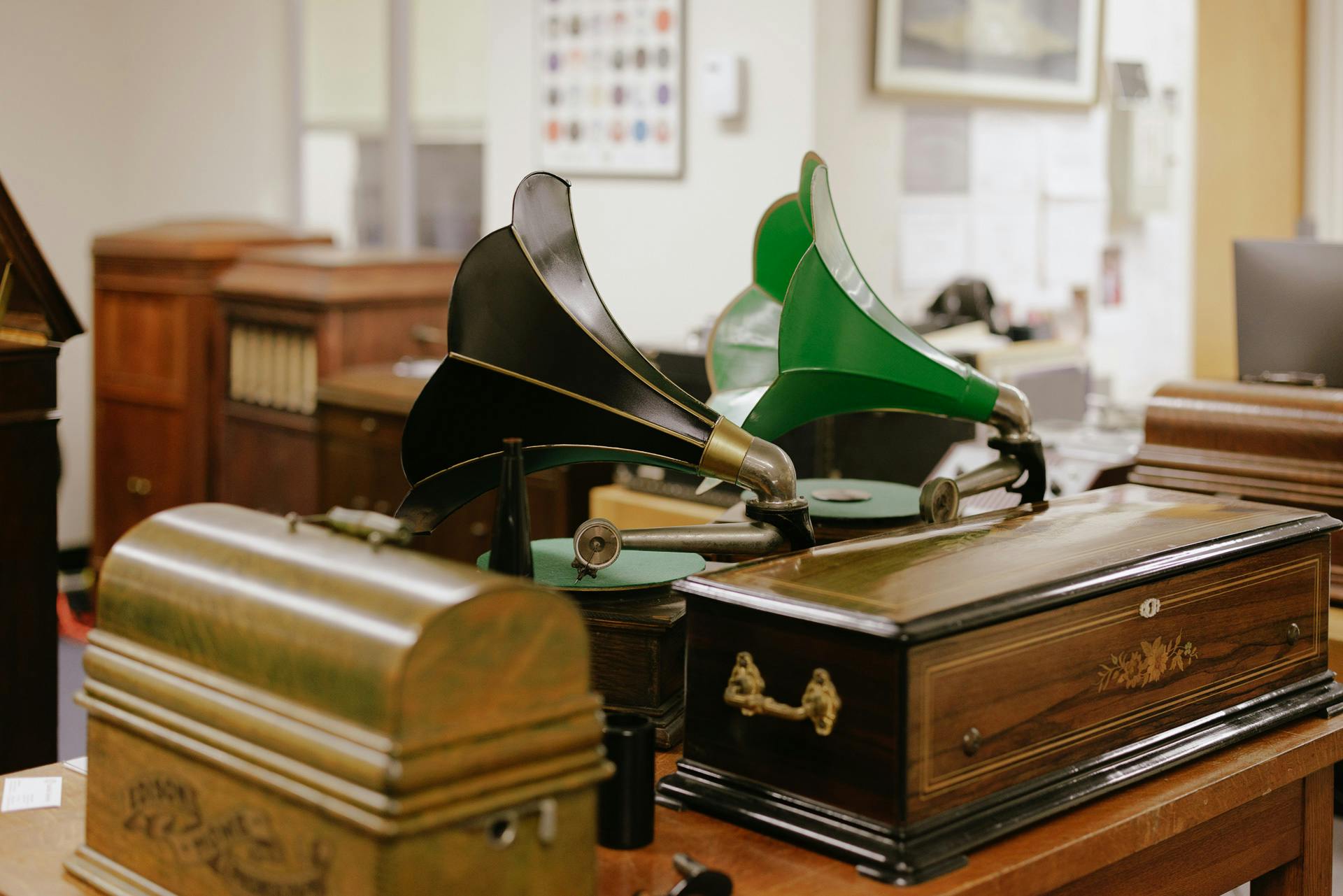
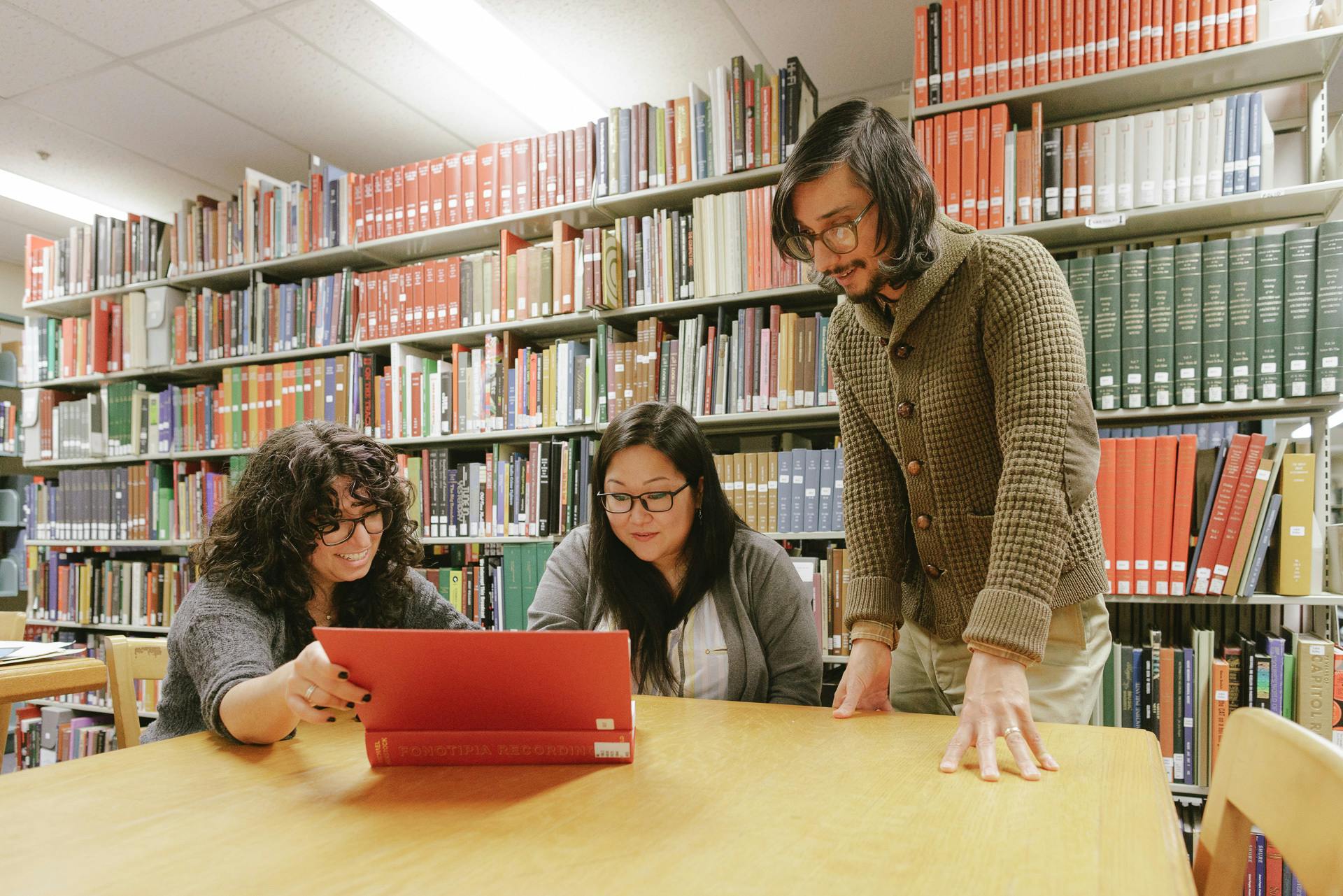
We have a reading room for individual and small-group study along with technology for engaging with the Archive of Recorded Sound’s historic media collections. We work with faculty to offer class sessions for undergraduate and graduate students, including demonstrations of our phonographs and player piano.
Archive staff are available to assist with reference inquiries from all students, faculty, and researchers. Contact the Archive of Recorded Sound by email (soundarchive@stanford.edu) or call (650) 723-9312 if you have any questions.
Learn more about accessing rare and distinctive materials, which are held in several locations across Stanford University Libraries.
Using the archive
The Archive of Recorded Sound is open to students, faculty, and all researchers.
Students and scholars from outside Stanford should contact ARS staff before planning a research visit. Let us know what you are interested in.
Equipment and specialized rooms
We have two media preview rooms with the following equipment:
- One room with a projector and audiophile speakers for small-group work.
- A smaller room outfitted with midfield audio monitors and professional audio converters in an acoustically treated environment.
Digitized collection materials are available for walk-in listening and viewing. If something is not available, we will help you gain digital access within a reasonable time frame.

Research support
Students, faculty, and researchers can get help with research. Come chat with staff during our open hours or make an appointment via email (soundarchive@stanford.edu) for an in-person or remote consultation.

Featured collections
Reese Erlich Jazz Programs and Interviews Collection
View the finding aidThe collection contains dozens of features and recorded interviews with transcripts with a focus on jazz artists such as Regina Carter, Jack DeJohnette, Billy Higgins, Ahmad Jamal, Dianne Reeves, Paquito de Rivera, and McCoy Tyner.
Ambassador Auditorium Collection
View the finding aidThe Ambassador Auditorium Collection contains the files of the various organizational departments of the Ambassador Auditorium as well as audio and video recordings. The materials cover the period between April 1974 and May 1995, when the Ambassador Auditorium was fully operational as an internationally recognized concert venue.
Richard J. Howe Collection of Musical Instrument Literature
View the finding aidThe Richard J. Howe Collection documents the development of the music industry, mainly in the United States, including the manufacture of pianos, organs, and mechanical musical instruments.
Jim Cullum Riverwalk Jazz Collection
Read moreA full-featured website that showcases a rotating selection of the nearly 400 original Riverwalk Jazz radio programs. The website also includes illustrated essays for nearly every program; photo galleries; additional audio content; and detailed information about the Jim Cullum Jazz Band players, their guests, and the nearly 1300 pieces of music they performed together.
Accessibility
The main entrance is power equipped; an elevator serves the lower level, including the Archive of Recorded Sound entrance.