Stanford concert and recital programs
A digital initiative preserves the documents of campus performances from 1950 onward.
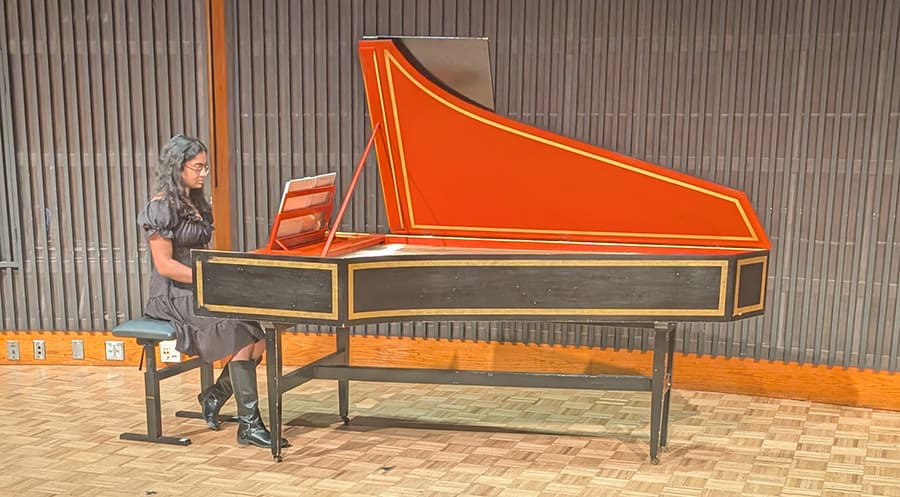
At Stanford, the sound of live music resonates daily, enlivening the campus atmosphere. In the Music Department, throughout the year, solo instrumentalists, small groups, and large ensembles present over 150 concerts, showcasing a diverse array of musical traditions from around the globe. Vocalists enhance this vibrant scene through musical theater and opera productions, choral groups, small ensembles, and solo recitals. The performers encompass students, faculty, community members, and esteemed guest artists, gracing venues across the campus.

Stanford Department of Music Concert Programs, a new online Spotlight Exhibit, provides digital access to the programs for these performances. Tyler Mitchell, Circulation and Operations Manager at the Music Library, oversaw the project in collaboration with preservation and digitization specialists at Stanford University Libraries. “We consistently receive requests from users to view concert programs online. We decided to move forward with a project that would digitize all extant programs from 1950 up to the present day,” Mitchell said.

The project involved digitally imaging the programs and depositing them for long-term preservation in the Stanford Digital Repository, while the Archive of Recorded Sound continues to preserve the paper copies. In the exhibit, each academic year up to 2007 is represented by a single, searchable file, while from 2008 onwards, there is one file for each quarter. Users can search these files by performer or composer name, as well as other keywords.

"The exhibit is a terrific way to support music at Stanford, and it’s a great manifestation of the close relationship between the Music Library and Music Department. Historians, performers, and alums can all find something in it to appreciate and explore,” said Tamar Barzel, Head of the Music Library and Archive of Recorded Sound.
Thousands of Stanford students are enrolled annually in Music Department lessons and ensembles. The breadth of student majors and degree programs is remarkable. Reflecting this range, the concerts feature the full gamut of the Department’s diverse solo and ensemble offerings, including culminating events such as senior recitals and capstone concerts. These events offer students an opportunity to showcase their talent and hard work, and to refine their skills. Performing live creates a unique and immediate experience that builds community and boosts artistic development.
For audiences, the concerts offer a rich exchange of creative expression and an opportunity to express their appreciation for the arts. Last month, for example, the harpsichord students of Junghae Kim and the recorder students of Herbert Myers presented a concert of early chamber music as part of the popular noon concert series at Campbell Recital Hall. Special performances like this open new vistas for performers and audiences alike.

At the Music Library, students find a congenial place to study and can check out books, recordings, scores, and listening equipment. Downstairs, with approximately 450,000 historic sound recordings and 200 archival collections, the Archive of Recorded Sound introduces students to primary source research and offers the immersive experience of hearing antique phonographs and a player piano. The Memorial Library of Music, which houses more than 2,000 rare books and manuscripts, is available for research and teaching in the Special Collections at Green Library.
“Our staff supports the Department of Music’s pedagogical mission by offering tailored classroom sessions and creating opportunities for students to work with historic manuscripts and other special materials in Stanford’s collections,” said Barzel. “We’re always ready to sit down for a research consultation or give an impromptu introduction to using the library. With the exhibit, we’re able to fulfill a community need while showcasing the incredible roster of concerts the Department gifts to Stanford every year.”
Ultimately, the Department of Music fosters a sparkling musical culture at Stanford with thoughtful support from staff at the Stanford University Libraries. The concert program exhibit creates a new avenue for engaging with Stanford’s rich musical heritage while preserving that heritage for future generations.